 PersistIQ
What Great Leaders Do When Teams Disconnect
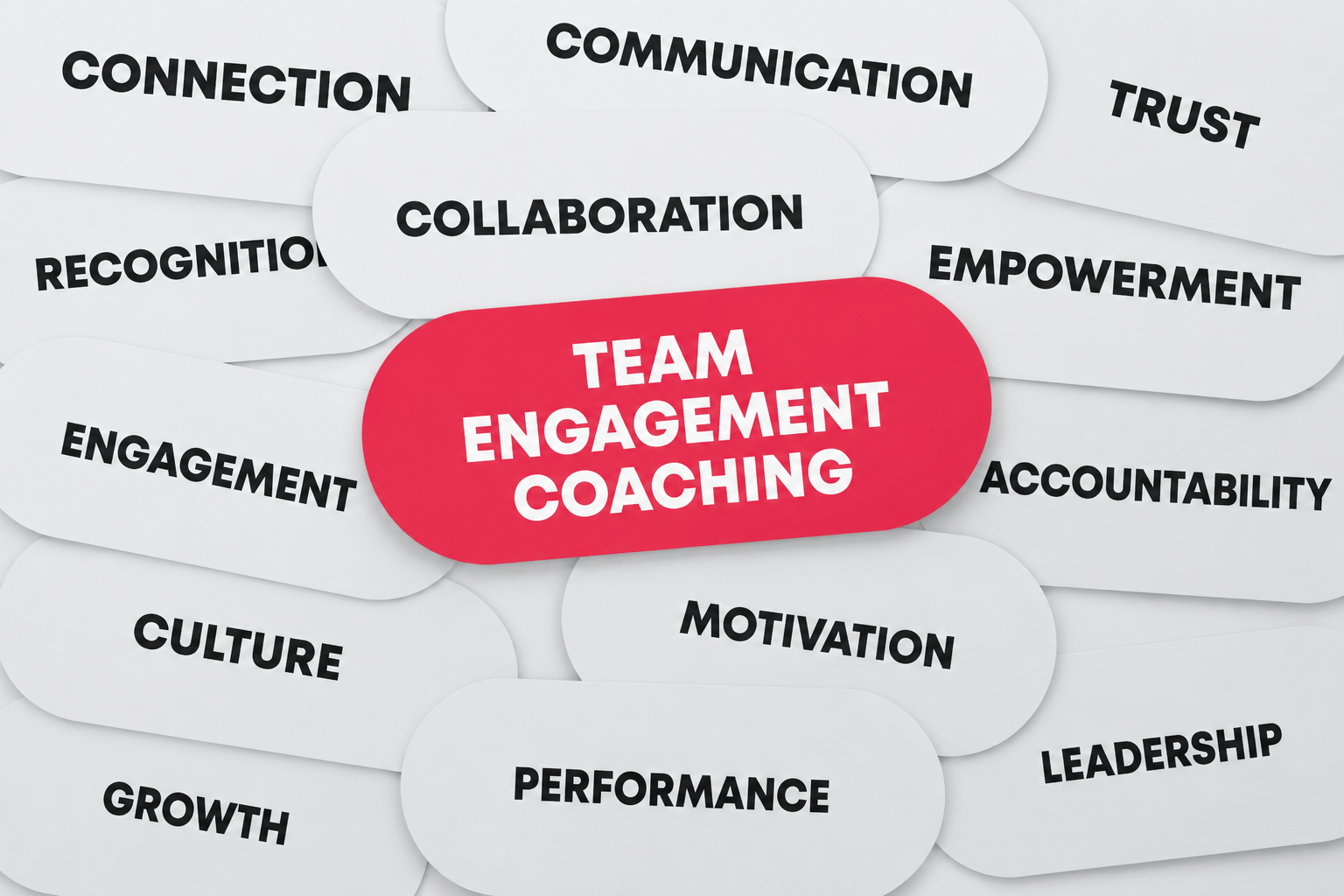
Team disengagement usually signals a lack of trust, meaning, or psychological safety. Leaders who respond with more pressure tend to deepen the withdrawal. Leaders who slow down, ask real questions, and rebuild safety through consistency create conditions where people choose to return. Team engagement coaching equips managers with the tools to lead from alignment rather than urgency. Ready to see what that looks like for your team? Start a conversation with Let Your True Self Lead.
Effective leadership begins with proactive coaching and strategic alignment. Source: atakan / Getty Images
When engagement drops, the visible signs feel urgent. Deadlines slip. Energy dips. Initiative dries up. Feedback lands with a thud.
Standard management playbooks treat these symptoms as performance flaws. The typical response brings extra check-ins, rigid tracking tools, and micro-management.
The thing is, that approach misses the mark completely. Disengagement is a relational response, not a tactical error. Employees often step back to protect themselves from an environment that feels unpredictable or unrewarding. What many leaders don’t realize is that treating a safety issue with tighter control only pushes people further away.
Three Root Causes Behind Leadership and Team Disengagement
When workplace energy breaks down, the issue usually stems from one of three areas that extra meetings cannot fix.
1. Eroded Trust
Trust burns down quickly and rebuilds slowly. It wears away when managers break small promises, make sudden strategic shifts without explanation, or ignore constructive criticism. Employees stop taking risks on new ideas when past efforts go unnoticed or unrewarded.
2. Loss of Meaning
Modern workplace surveys by Gallup show that purpose drives retention far more than simple perks. A poster on a lunchroom wall won’t build purpose. People need to see how their daily choices affect the bigger picture. When that connection breaks, effort starts to feel pointless.
3. Missing Psychological Safety
Google’s Project Aristotle identified psychological safety as the strongest of five factors distinguishing its most effective teams. When people fear humiliation, harsh judgment, or quiet retaliation for making mistakes, they lock down. They keep their heads low, stick to safe answers, and stop taking creative risks.
The Traditional Leadership Model: Why Pressure Backfires
The default reaction to declining productivity is to add control. Managers schedule extra check-ins, mandate video cameras during calls, and track time down to the minute.
While structure has value, adding pressure to an anxious team deepens the disconnect. Extra oversight signals a lack of trust, and employees respond by doing just enough to pass inspection while mentally checking out completely. This dynamic creates a vicious cycle: managers push harder, teams pull back further, and overall work quality plummets.
How to Re-Engage Your Team, Step by Step
Conscious leadership flips the core management question. Instead of asking how to force engagement, it asks what actions would invite people back in. Here are the actions in steps:
Step 1: Pause Before Reacting
Resist the urge to launch an immediate campaign for higher output. Take a step back to analyze what emotional shifts occurred in the environment before performance dropped. Gathering real perspective takes priority over hasty fixes.
Step 2: Listen to the Silence
Pay close attention to what team members avoid discussing. Notice which project updates cause tension or which topics bring dead silence. Unspoken resistance holds crucial clues about broken trust or hidden roadblocks.
Step 3: Name the Reality Neutrally
Address elephant-in-the-room dynamics without placing blame. A calm, direct statement invites honesty:
“Our recent planning sessions feel unusually quiet, and fewer ideas are surfacing than usual. What obstacles are getting in the way right now?”
Step 4: Ask Inviting Questions
Closed or defensive questions like “Why are deadlines slipping?” cause people to make excuses. Shift to open-ended prompts that encourage honest reflection:
- “Which parts of this project feel most frustrating right now?”
- “What support would make your daily workflow smoother?”
- “Where do you feel your time is being wasted?”
Step 5: Build Safety Through Small Actions
Psychological safety is built through repeated evidence that honesty survives contact with leadership. Follow through on commitments. Meet mistakes with curiosity. Protect the person who says the uncomfortable thing out loud. Do that consistently, and the room begins to relax.
Conscious Leadership for Managers Starts on the Inside
Here is a harder thought to sit with. A team’s disengagement often mirrors the state of the person leading it.
Unconscious management habits frequently stem from earlier career pressures or personal habits. In fact, childhood-rooted limiting beliefs influence leadership styles in subtle ways, causing managers to react defensively under stress.
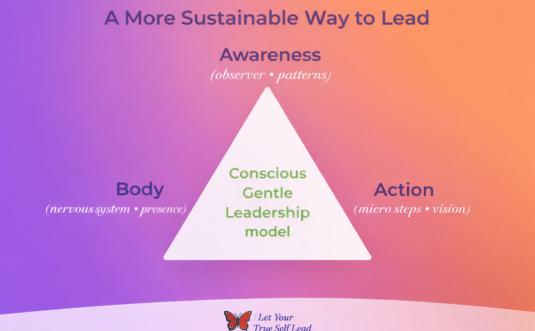
Leaders running on depletion, distraction, or quiet dread transmit those states long before they say a word. Teams read presence far more accurately than they read policy. Conscious leadership coaching usually starts with leaders recognizing their own patterns before asking a team to change theirs. A grounded leader creates room for a grounded team.
What Real Re-Engagement Looks Like
Rebuilding team spirit doesn’t happen overnight. It will take steady shifts over time.
These shifts happen naturally when employees feel safe, respected, and connected to meaningful goals. They can’t be forced, but they can be invited through steady leadership.
| Early Signs of Disconnection | Signs of Active Re-Engagement |
| Silence during open discussions | Spontaneous sharing of raw, creative ideas |
| Waiting passively for explicit orders | Taking early initiative to solve problems |
| Hiding mistakes until deadlines pass | Flagging potential risks early without fear |
| Minimal interaction between peers | Active, collaborative problem-solving |
Knowing When to Seek External Guidance
Deep disengagement patterns can take root over years.
Systemic organizational stress, past leadership failures, and entrenched fear often require expert support to undo.
Working with an experienced transformational leadership coach provides the framework and real-time guidance you need to turn things around. It’s about becoming the steady leader your team naturally wants to follow.
If you’re ready to rebuild trust and create a high-performing workplace culture, take the next step today. Book Your Executive Strategy Session Today
Questions Leaders Keep Asking About Disengagement
How long does it take to re-engage a disengaged team?
Rebuilding trust and psychological safety usually takes several weeks to a few months of consistent effort. While small improvements appear after initial honest conversations, deep alignment requires steady practice. Consistency matters far more than fast fixes.
Can a manager fix team engagement if the company culture is toxic?
Yes, you can create a safe sub-culture within your direct team. While you can’t control top-level corporate policies, you directly shape your team’s immediate daily environment. Creating safety in your division offers a steady anchor regardless of broader company stress.
What if my team stays silent when I ask open questions?
Initial silence is completely normal, especially if trust was damaged in the past. Your team needs to test whether it’s truly safe to speak up before opening up. Keep asking open questions and responding calmly, and the silence will give way to honest dialogue over time.
Is employee disengagement always caused by bad leadership?
Not entirely. External stress, personal life changes, and vague job descriptions contribute to lower energy. However, leadership responses determine whether employees feel sufficiently supported to navigate those challenges. Focusing on your own leadership style remains your highest-leverage move.
Transform Your Team Dynamics – Book a Discovery Call
Disclaimer: We are passionate about sharing insights, tools, and reflections to help you cultivate conscious, gentle leadership and inner alignment. However, the information shared on this blog is intended for educational and inspirational purposes only. It is not a substitute for professional mental health therapy, medical advice, or psychiatric care. If you are experiencing psychological distress or trauma, please seek the support of a licensed mental health professional. We are here to guide your personal growth, but your overall well-being and safety must always come first.