Skip to content (Press Enter)
+31655863437
support@letyourtrueselflead.com
Let Your True Self Lead Coaching

Let Your True Self Lead Coaching

This is not just coaching—it’s a shift in how you lead your life.

  • Home
  • Services
    • Transformational Life Coaching
    • Conscious Leadership Coaching
  • About
  • News
  • Contact
    • Is Coaching Right for Me?
    • Privacy Policy
Let Your True Self Lead Coaching

Let Your True Self Lead Coaching

This is not just coaching—it’s a shift in how you lead your life.

  • Home
  • Services
    • Transformational Life Coaching
    • Conscious Leadership Coaching
  • About
  • News
  • Contact
    • Is Coaching Right for Me?
    • Privacy Policy
+31655863437
support@letyourtrueselflead.com

workplace relationships

1 Results
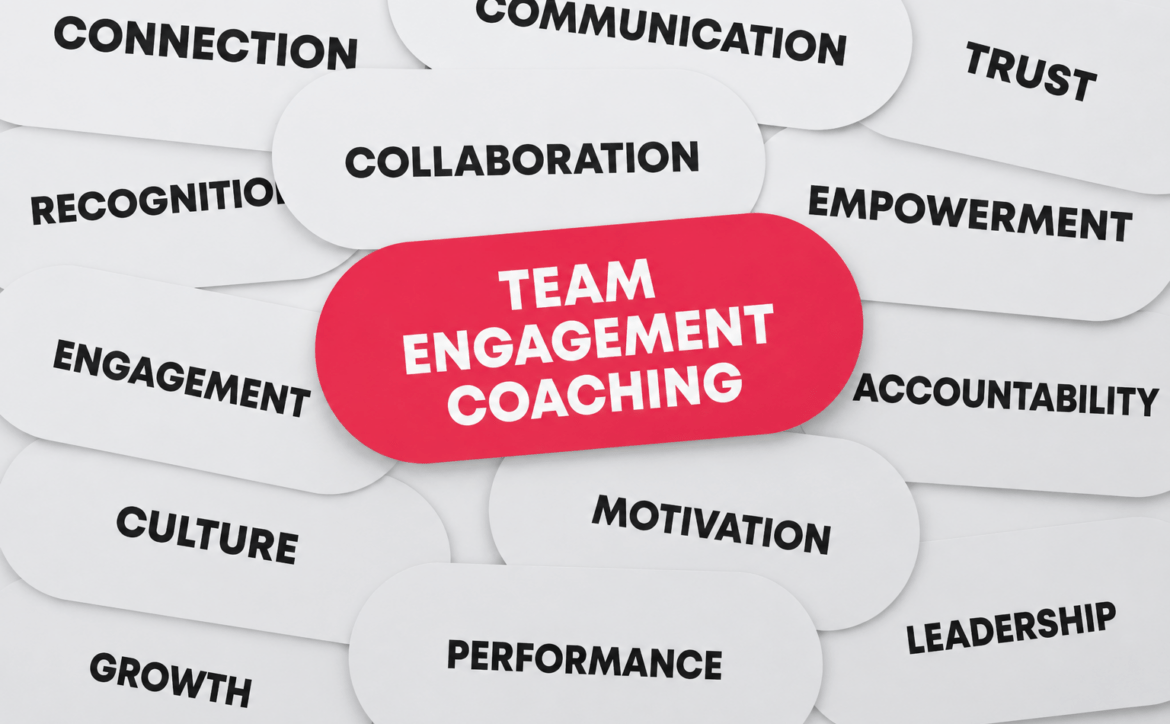
Team Engagement Coaching
August 24, 2026August 24, 2026Conscious Leadership Emotional Intelligence

Why Teams Disconnect & How Team Engagement Coaching Helps

What Great Leaders Do When Teams Disconnect Team disengagement usually signals a lack of trust, meaning, or psychological safety. Leaders who respond with more pressure tend to deepen the withdrawal. …

Read More

Latest news

  • Why Teams Disconnect & How Team Engagement Coaching Helps

    What Great Leaders Do When Teams Disconnect Team disengagement usually signals a lack of trust, meaning, or psychological safety. Leaders who respond with more pressure tend to deepen the withdrawal. Leaders who slow down, ask real questions, and rebuild safety through consistency create conditions where people choose to return. Team engagement coaching equips managers with the tools to lead from alignment rather than urgency. Ready to see what that looks like for your team? Start a conversation with Let Your True Self Lead. Effective leadership begins with proactive coaching and strategic alignment. Source: atakan / Getty Images When engagement drops, the visible signs feel urgent. Deadlines slip. Energy dips. Initiative dries up. Feedback lands with a thud. Standard management playbooks treat these symptoms as performance flaws. The typical response brings extra check-ins, rigid tracking tools, and micro-management. The thing is, that approach misses the mark completely. Disengagement is a relational response, not a tactical error. Employees often step back to protect themselves from an environment that feels unpredictable or unrewarding. What many leaders don’t realize is that treating a safety issue with tighter control only pushes people further away. Three Root Causes Behind Leadership and Team Disengagement When workplace energy breaks down, the issue usually stems from one of three areas that extra meetings cannot fix. 1. Eroded Trust Trust burns down quickly and rebuilds slowly. It wears away when managers break small promises, make sudden strategic shifts without explanation, or ignore constructive criticism. Employees stop taking risks on new ideas when past efforts go unnoticed or unrewarded. 2. Loss of Meaning Modern workplace surveys by Gallup show that purpose drives retention far more than simple perks. A poster on a lunchroom wall won’t build purpose. People need to see how their daily choices affect the bigger picture. When that connection breaks, effort starts to feel pointless. 3. Missing Psychological Safety Google’s Project Aristotle identified psychological safety as the strongest of five factors distinguishing its most effective teams. When people fear humiliation, harsh judgment, or quiet retaliation for making mistakes, they lock down. They keep their heads low, stick to safe answers, and stop taking creative risks. The Traditional Leadership Model: Why Pressure Backfires The default reaction to declining productivity is to add control. Managers schedule extra check-ins, mandate video cameras during calls, and track time down to the minute. While structure has value, adding pressure to an anxious team deepens the disconnect. Extra oversight signals a lack of trust, and employees respond by doing just enough to pass inspection while mentally checking out completely. This dynamic creates a vicious cycle: managers push harder, teams pull back further, and overall work quality plummets. How to Re-Engage Your Team, Step by Step Conscious leadership flips the core management question. Instead of asking how to force engagement, it asks what actions would invite people back in. Here are the actions in steps: Step 1: Pause Before Reacting Resist the urge to launch an immediate campaign for higher output. Take a step back to analyze what emotional shifts occurred in the environment before performance dropped. Gathering real perspective takes priority over hasty fixes. Step 2: Listen to the Silence Pay close attention to what team members avoid discussing. Notice which project updates cause tension or which topics bring dead silence. Unspoken resistance holds crucial clues about broken trust or hidden roadblocks. Step 3: Name the Reality Neutrally Address elephant-in-the-room dynamics without placing blame. A calm, direct statement invites honesty: “Our recent planning sessions feel unusually quiet, and fewer ideas are surfacing than usual. What obstacles are getting in the way right now?” Step 4: Ask Inviting Questions Closed or defensive questions like “Why are deadlines slipping?” cause people to make excuses. Shift to open-ended prompts that encourage honest reflection: “Which parts of this project feel most frustrating right now?” “What support would make your daily workflow smoother?” “Where do you feel your time is being wasted?” Step 5: Build Safety Through Small Actions Psychological safety is built through repeated evidence that honesty survives contact with leadership. Follow through on commitments. Meet mistakes with curiosity. Protect the person who says the uncomfortable thing out loud. Do that consistently, and the room begins to relax. Conscious Leadership for Managers Starts on the Inside Here is a harder thought to sit with. A team’s disengagement often mirrors the state of the person leading it. Unconscious management habits frequently stem from earlier career pressures or personal habits. In fact, childhood-rooted limiting beliefs influence leadership styles in subtle ways, causing managers to react defensively under stress. Leaders running on depletion, distraction, or quiet dread transmit those states long before they say a word. Teams read presence far more accurately than they read policy. Conscious leadership coaching usually starts with leaders recognizing their own patterns before asking a team to change theirs. A grounded leader creates room for a grounded team. What Real Re-Engagement Looks Like Rebuilding team spirit doesn’t happen overnight. It will take steady shifts over time. These shifts happen naturally when employees feel safe, respected, and connected to meaningful goals. They can’t be forced, but they can be invited through steady leadership. Early Signs of Disconnection Signs of Active Re-Engagement Silence during open discussions Spontaneous sharing of raw, creative ideas Waiting passively for explicit orders Taking early initiative to solve problems Hiding mistakes until deadlines pass Flagging potential risks early without fear Minimal interaction between peers Active, collaborative problem-solving   Knowing When to Seek External Guidance Deep disengagement patterns can take root over years.  Systemic organizational stress, past leadership failures, and entrenched fear often require expert support to undo. Working with an experienced transformational leadership coach provides the framework and real-time guidance you need to turn things around. It’s about becoming the steady leader your team naturally wants to follow. If you’re ready to rebuild trust and create a high-performing workplace culture, take the next step today. Book Your Executive Strategy Session Today Questions Leaders Keep Asking About Disengagement How long does it take to –> Read full article

    --> Read full article
  • Leading Through Uncertainty: A Grounded Framework for Conscious Leaders

    Leading Through Uncertainty: How Conscious Leaders Stay Grounded When Everything Shifts Steady leadership under pressure starts on the inside. A leader who first grounds their own nervous system in uncertainty can speak honestly, hold a room, and guide people through change without burning out in the process. Ready to build that steadiness with support? Explore transformational coaching.   Forty-five volunteers sat down to play a simple computer game. Turn over a rock. Sometimes a snake is under it, and a snake means a mild electric shock to the hand. The odds kept shifting as the game went on, so nobody was ever quite sure what a rock held. Stress was tracked through sweat, pupil size, and direct feedback. The absolute worst moments were not when a shock was guaranteed. Stress peaked at a 50/50 chance. Knowing for sure, even if the news was bad, was much easier on the human nervous system than being left in the dark. That finding comes from researchers at University College London, published in 2016. Now, picture someone on your team who heard the word “restructure” three weeks ago and hasn’t heard anything since. She is turning over rocks all day.   Why Sudden Change Triggers Executive Panic Uncertainty triggers the human brain fast. According to research from the American Psychological Association, when the mind perceives a lack of control, it shifts straight into a protective stress response.  For high achievers, this internal panic collides with old beliefs about success. If you’ve built your reputation on having fast answers and staying strong, sudden shifts threaten more than your plan. They threaten your sense of self-worth.   What Uncertainty Does to Your Team When things are unclear, three very real reactions happen at once: Unclear odds feel worse than bad odds: People naturally treat ambiguous situations as twice as bad as known risks. A team told that a department is closing can make a plan. A team left in silence will imagine the absolute worst. The thinking brain slows down: Ambiguity triggers a basic threat response, which dials down the prefrontal cortex. This is the exact part of the brain we need for planning, deciding, and staying cool.  Past experiences shape the reaction: Someone who lived through a sudden lay-off hears a basic budget update very differently than someone hired last month. Same words, entirely different room. All of it runs in the leader, too, usually while they are being asked to sound composed about it.   What Uncertainty Can Do to Leaders That pressure has to go somewhere. In a manager, it rarely surfaces as visible panic, which is why it goes unnoticed for months. It surfaces as three habits that feel responsible from the inside and land badly on everyone else. Overcontrol.  Check-ins double. Approvals that took a day take four. It passes for diligence at the top and reads, from the next desk, as a manager who stopped trusting people right when being trusted mattered most. Overpromise.  A leader wants to end the meeting on a good note, so she says nobody’s job is at risk before finance has confirmed anything. People relax. Then two roles are cut in August, and every reassurance she gives after that comes with a discount. Disappearing.  The calendar clears out, and basic questions sit unanswered for days. Silence is almost never read as calm. It leaves people to fill in the blanks on their own, usually with their worst fears. Catching your own pattern is the work. Most leaders have a tell: a clipped tone in email, a jaw still tight after the call, the same report open in three tabs. Noticing it turns a reaction into information, which is where conscious leadership starts. Four Practices That Steady Leaders During Uncertainty Step One: Pause for 60 seconds: Put a full minute between hearing bad news and sending a reply. Slow breathing gives your logical brain time to catch up with the alarm system. Step Two: Separate facts from fears: Write what you know in one column and what you fear in another. Most of the weight sits in the second column, and it shrinks once you look at it on paper. Step Three: Keep one steady anchor: a regular Friday recap, a short walk before your first call, or a one-on-one meeting that never gets rescheduled. Small anchors prove to your nervous system that not everything is falling apart. Step Four: Practice self-compassion: Harsh internal commentary leaks out into your tone faster than you think. Practicing self-love in leadership isn’t just a nice idea; it’s basic maintenance to keep your judgment clear when things get heavy.   Practices That Steady the Team During Uncertainty  Private steadiness only counts once the team can feel it. Three moves carry it across, and each one works on the principle the snake game demonstrated: move people out of fifty-fifty and into something they can plan around. Say what is known, what is not, and when they hear from you next. Most leaders go quiet because nothing is confirmed yet, and the team fills that gap on its own, usually with something worse than the truth.  “Hiring is frozen starting today. Nobody’s role is affected by this, and how long it lasts has not been decided. I meet with finance on Thursday, and you will hear from me Friday morning either way, even if all I have is that there is still no answer.” The last clause does the heavy lifting. It promises a Friday that arrives whether or not the news does. Delivering that with warmth and directness at once takes practice, and the gentle leadership model is a workable way to do it without softening the facts into nothing. Make the small call now instead of the big one later.  The decisions that usually get stuck are the biggest ones, like a company reorganization, an annual roadmap, or a hiring plan. They depend on a future that no one can predict yet, so they often get delayed. Instead of –> Read full article

    --> Read full article
  • Setting Limits Without Guilt: Why Boundaries Feel Hard and What Actually Helps

    Setting Limits Without Guilt: A Guide for People Who Hate Disappointing Others Setting boundaries gets easier when you stop seeing them as rejection and start seeing them as self-respect. The guilt you feel is often just old conditioning, and it fades with practice. If you’re ready to create healthier relationships and honor your needs with confidence, Let Your True Self Lead Coaching is here to support you.   The discomfort around boundaries is rarely logical. Your mind understands that declining one meeting will not end your career. But your body reacts as though something dangerous is happening anyway.   That reaction usually traces back to early experiences. If approval, warmth, or peace at home depended on being helpful and easy to manage, the brain learns a simple lesson: pleasing people keeps you safe. However, saying no risks losing something.   Here is the useful distinction: Guilt that follows a real violation of values feels sharp and specific, and it deserves your attention.  Guilt that follows an unfamiliar act feels vague and sticky, and it usually points to an outdated rule you absorbed long before you had any say in it.    That second kind deserves compassion and, eventually, revision.   How It Ties To Your Willpower Most advice on this subject stops at wording. Say this phrase. Use this tone. Practice in the mirror until it sounds natural. Those tools have their place. They also treat the problem as a performance issue when the real work sits underneath. You can memorize a perfect script and still feel awful delivering it.    The thing is, boundaries for people pleasers don’t fail because of poor phrasing. They fail because willpower is asking the nervous system to do something it still reads as unsafe. That takes enormous effort, and effort runs out. Which is why so many people try boundaries for two weeks and quietly go back to saying yes.   A better starting question: what would a limit feel like if it came from self-respect instead of self-defense?   When Boundaries Come From Self-Respect That shift changes the whole experience. Boundaries stop being walls that keep people out and become statements about what is true for you.   From that place, a no is a statement about capacity. Your energy is finite, and where it goes matters.    The discomfort will not vanish overnight. Your relationship to the discomfort changes first. Guilt becomes a familiar sensation attached to an old pattern instead of evidence that you did something wrong, and familiar sensations lose power with repetition.   People who work through this often describe feeling lighter. The constant background math of keeping everyone content quiets down. More attention becomes available for the work and the people that actually matter to them.   How to Make Your Boundaries Hold Up Making boundaries last starts underneath the behavior, then works outward:   Find Out Where the Rule Came From Every reflexive “yes” follows an instruction that was installed somewhere. Most people have never gone looking for it. The next time guilt arrives after a boundary, ask what the guilt is protecting. Then ask who taught you that it needed protecting. The answer is often specific: a household where keeping the peace was your job, a parent whose mood you learned to manage, an early manager who rewarded availability over quality. Naming the source does something a script cannot. It shifts the rule from “this is who I am” to “this is what I learned,” and only the second is open to revision. Childhood beliefs shape adult leadership in ways that stay invisible until someone looks directly at them.   Clarity on Personal Priorities.  Limits become clear when you know what needs protection. Priorities like focus time, health, or family offer clear reasons to turn down extra tasks. Without clear priorities, every request turns into an exhausting negotiation.   Noticing Body Signals.  The body registers stress long before the brain does. A tight jaw, a heavy chest, or sudden irritability are warning signs. Spotting those physical signs early helps catch overload before total burnout sets in.   Sitting with Temporary Discomfort.  Guilt and anxiety often pop up right after setting a boundary. The goal is to sit with those feelings without immediately trying to fix them. As time passes and relationships stay intact, the panic naturally fades.   Skipping the Long Explanations. Long, detailed excuses usually come from personal guilt rather than necessity. Simple, kind statements work best.    How to Say No at Work Without Damaging Your Standing Workplace limits carry their own weight. Power dynamics are real. So are performance reviews and team culture. Here are a few clear strategies to help you handle situations where saying no feels like it could put your job at risk:   Strategy What It Sounds Like Why It Works Acknowledge First “Thank you for thinking of me for this project.” Shows respect before delivering the decision. State Capacity Directly “I do not have the bandwidth for this right now.” Prevents pushback and gives the team a quick, clear answer. Offer a Partial Alternative “I cannot lead this, but I can review the final plan.” Shows support without taking on the heavy lifting. Release Control of the Reaction (Internal shift) Accepts that others may feel disappointed and that disappointment is okay.   A Grounded Way Forward Deeply rooted habits do not disappear overnight. Building a new relationship with personal capacity takes time and regular practice. The journey starts small. When guilt pops up, pause for a moment. Ask whether the feeling comes from breaking an actual personal value or simply breaking an old habit of trying to please everyone. That single question creates space to make a calm, intentional choice. When dealing with deep-seated habits around overworking and pleasing others, getting outside support can speed up the process. Let Your True Self Lead’s transformational coaching offers a dedicated space to examine what drives the urge to overcommit, helping build lasting confidence around personal needs.   Questions –> Read full article

    --> Read full article

Testimonials

  • D. Popescu

    “A profound and transformational experience.  My coaching journey with Diana has been truly life-changing.  Her ability to create a safe and insightful space allowed me to uncover and release deep subconscious blocks — some dating back to childhood — that had been quietly shaping my patterns and choices for years.  Through her compassionate guidance and powerful mindset tools, I experienced a genuine inner shift that brought clarity, balance, and renewed confidence.  This process has helped me reconnect with my authentic self and move forward with a sense of freedom and purpose I hadn’t felt in a long time.”-  D.  Popescu

    --> Read more
  • M. Vogel

    “I came to Diana-Ingrid with the limiting belief “I am not good enough” and of course the associated judgments towards myself.  I experienced the session with Diana-Ingrid as very pleasant.  Diana Ingrid really listens to you and gives you the peace and confidence to open up completely.  The friendly questioning she uses allows you to quickly get to the core and the desired result.  By means of personal affirmations and a customized movie, you will be able to further reset your mind after the session.  This will make you look at yourself differently, giving you the opportunity to make different choices in your life.  Indeed, let your true self lead!” – M.  Vogel.

    --> Read more
  • D. Sluis

    “Diana is a very professional coach, she is friendly, empathetic and well organized.  She learned me how to think positively and how to manage my dreams and be faithful to myself.   The summaries she makes of every meeting are very impressive and nice to read.  When I read it over, they help me remembering what I want to learn about myself.” –  D.  Sluis.

    --> Read more

My coaching signature

Let Your True Self Lead Coaching

Email: support@letyourtrueselflead.com
Mobile: +31 (0)655863437

✨ 30-minutes Informational Call

© Copyright 2026 Let Your True Self Lead CoachPress Lite | Developed By Blossom Themes. Powered by WordPress.