

 PersistIQ
True leadership lives in the space between a trigger and a response. Reacting quickly with strong emotions is our brain’s way of keeping us safe. But just trying to ‘be strong’ won’t stop it. However, if people learn to calm their nervous systems, they can reduce snap reactions, handle stress more effectively, and make thoughtful choices rather than panic.
How to Stop Reacting and Start Responding

Here’s something most executives won’t say out loud: the higher the stakes, the harder it is to think clearly.
Under pressure, the brain doesn’t default to your best judgment. Instead, it defaults to your fastest reflex. It’s an ancient survival mechanism, one that was never designed for quarterly reviews or cross-functional tension. The real work is learning to catch yourself in that moment, to pause, assess, and choose your response rather than just have one.
That gap, even though barely a second wide, is where the best leaders operate differently.
What We’ll Unpack
- The Biological Reason Willpower Fails Under Pressure.
- Exactly What Happens Inside Your Body During A Fast Reaction.
- Quick Tricks To Stretch Your Stress Limits And Stay Calm.
- The Long-Term Impact Of Choosing Presence Over Speed.
Why Willpower Fails Under Pressure
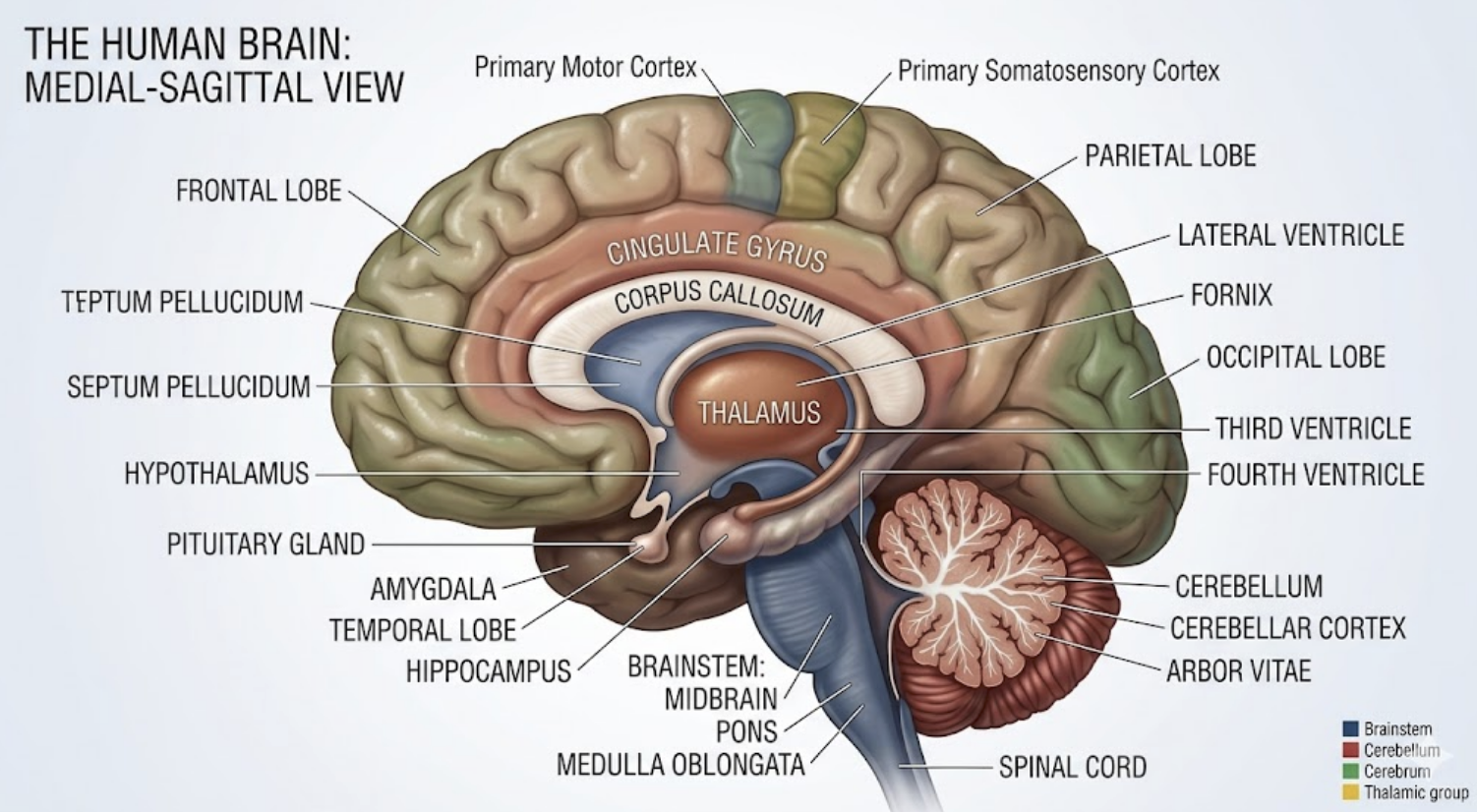
The biggest problem with losing your temper or panicking is that it happens before you even have time to think.
These quick reactions come from a deep part of your brain called the limbic system, specifically, a tiny, almond-shaped part called the amygdala. Its main job is to keep you alive by detecting danger.
When it senses a threat, it acts instantly. It floods your body with a stress hormone called cortisol, your heart beats faster, and the prefrontal cortex, the front part of your brain in charge of logic and smart choices, goes completely offline.
| YOU SEE A THREAT |
| AMYGDALA PANICS & SPARK |
| LOGIC BRAIN SHUTS DOWN TEMPORARILY |
| SNAP REACTION HAPPENS |
This ancient wiring in the brain doesn’t understand the modern world. It treats an angry email from your boss exactly like a scary predator chasing you. Because willpower lives in the logical part of your brain, you cannot use it when your brain is in panic mode.
Changing Your Strategy
Because stress is a physical event, you need a physical solution to stop it. Affirmations and sticky-note reminders are fine, but they cannot compete with a full-throttle adrenaline surge.
The vagus nerve is like a major highway that connects your brain to your body. It helps you switch from a “fight-or-flight” state (panicked and ready to run or fight) to a “rest-and-connect” state (calm and safe). Activating this nerve highway instantly slows your heart rate, changes your breathing, and lowers your stress hormones.
Training the Nervous System
Regulating the body isn’t about suppressing your emotions. It is about expanding capacity. Practicing these steps trains your body to reset quickly so you can stay in control when things get tough.
Micro-practices that train the nervous system include:
Prolonged Exhales

Diaphragmatic breathing where the exhale outlasts the inhale.
Physical Grounding

Shifting focus entirely to physical sensations, like feet pressed against the floor.
Controlled Resets
Brief exposure to cold temperatures or deliberate facial muscle relaxation.
The nervous system adapts through steady repetition. Over time, individuals notice physical cues, shoulder tension, and a sudden spike in body heat before a reaction explodes. That brief notice creates the opportunity to choose rather than just snap.

This changes how a whole team works because teams mirror their leader’s mood. A leader who panics creates a team full of worry, where people hide mistakes and stop sharing new ideas. A calm, regulated leader makes everyone feel safe, which helps the team solve problems and work together.
The Strategic Choice of a Pause
Some of the biggest mistakes, like ruined friendships, angry arguments, or rushed choices, happen because someone skipped taking a pause. Great leaders know the difference between times when they need to run fast and times when they need to sit still.
| PANICKED LEADER | CALM & RESPONSIBLE LEADER |
| Driven by sudden feelings | Driven by smart thinking |
| Says sharp, defensive words | Sees the whole picture fairly |
| Makes the team feel anxious | Invites the team to work together |
| Destroys trust quickly | Makes people feel safe |
Powerful Pauses Every Leader Should Practice

You build your calm muscles during normal, low-stress moments. Try adding these small habits to your day:
|
|
|
| Wait ten minutes before sending an email that makes you upset. | In a meeting, take one full breath before answering a tough question. | Spend one minute standing tall and breathing between back-to-back meetings. |
Moving Forward With Intention
Mastering the space between a trigger and a response requires looking inward. You must meet the subconscious parts of yourself running the show and practice presence until it becomes your absolute default.
You might be surprised by how adaptable your nervous system is. The leader who once snapped under intense pressure transforms into the steady anchor for the whole team.
To investigate the underlying drivers of your professional patterns and build a grounded, impactful presence, consider reaching out to start a conversation or explore our comprehensive coaching services. Step into the driver’s seat and explore the available services to begin your true journey.
Pressing Questions Answered
Can you actually change a reactive personality?
Temperament features a genetic baseline, but the brain remains remarkably plastic. Neuroplasticity ensures that repeated, intentional experiences literally rewire your neural pathways. Consistent regulation practices lower your baseline stress response. The urge to react loosens its grip over time.
What happens when a situation genuinely demands speed?
Certain emergencies absolutely require fast action. Regulated nervous systems still move quickly. The vital difference lies in clarity. A regulated mind acts from sharp discernment rather than blind panic. Even taking a single deep breath creates enough mental space for a smart choice.
How do I measure if my reaction fits the situation?
Track the intensity and the duration of your feelings. A minor critique shouldn’t leave you ruminating for an entire weekend. Disproportionate emotions usually signal that a subconscious block from the past has hijacked the present moment.
Does regulating my nervous system mean suppressing my feelings?
Suppression causes burnout and eventual emotional explosions. Regulation allows you to feel everything deeply without letting the emotion dictate your behavior. You experience the feeling while retaining full control over your outward actions.
What exactly is a window of tolerance?
The window of tolerance represents your personal capacity to handle stress. Inside the window, you think clearly and remain calm. Outside the window, you fall into fight, flight, or freeze. Vagus nerve exercises actively widen this window, allowing you to handle bigger challenges smoothly.
A Note on Well-Being: We focus on providing high-level insights and practical tools to develop aligned, conscious leadership. However, the concepts shared here are for educational and professional development purposes. They do not replace professional mental health therapy, medical diagnostics, or psychiatric treatment. For deep personal distress or trauma, please partner with a licensed mental health clinician. Long-term leadership excellence always relies on a foundation of genuine personal safety and health.